
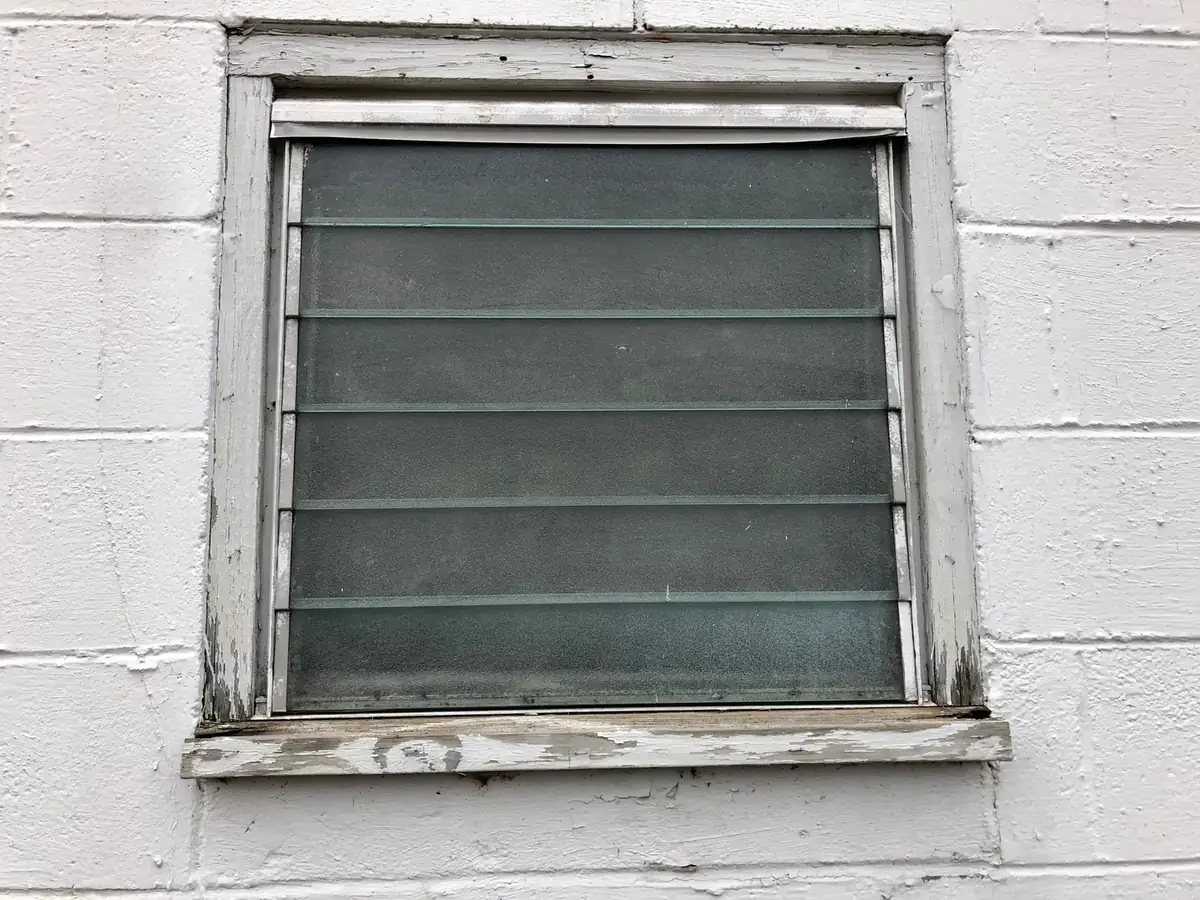
Jalousie Window Screens for Oahu Louvers
Louvered glass lets the trade winds in and lets insects in too, so the screen behind it does the real work. We repair and rebuild jalousie screens for Honolulu homes and walk-ups.
Why does a jalousie window need a sound screen?
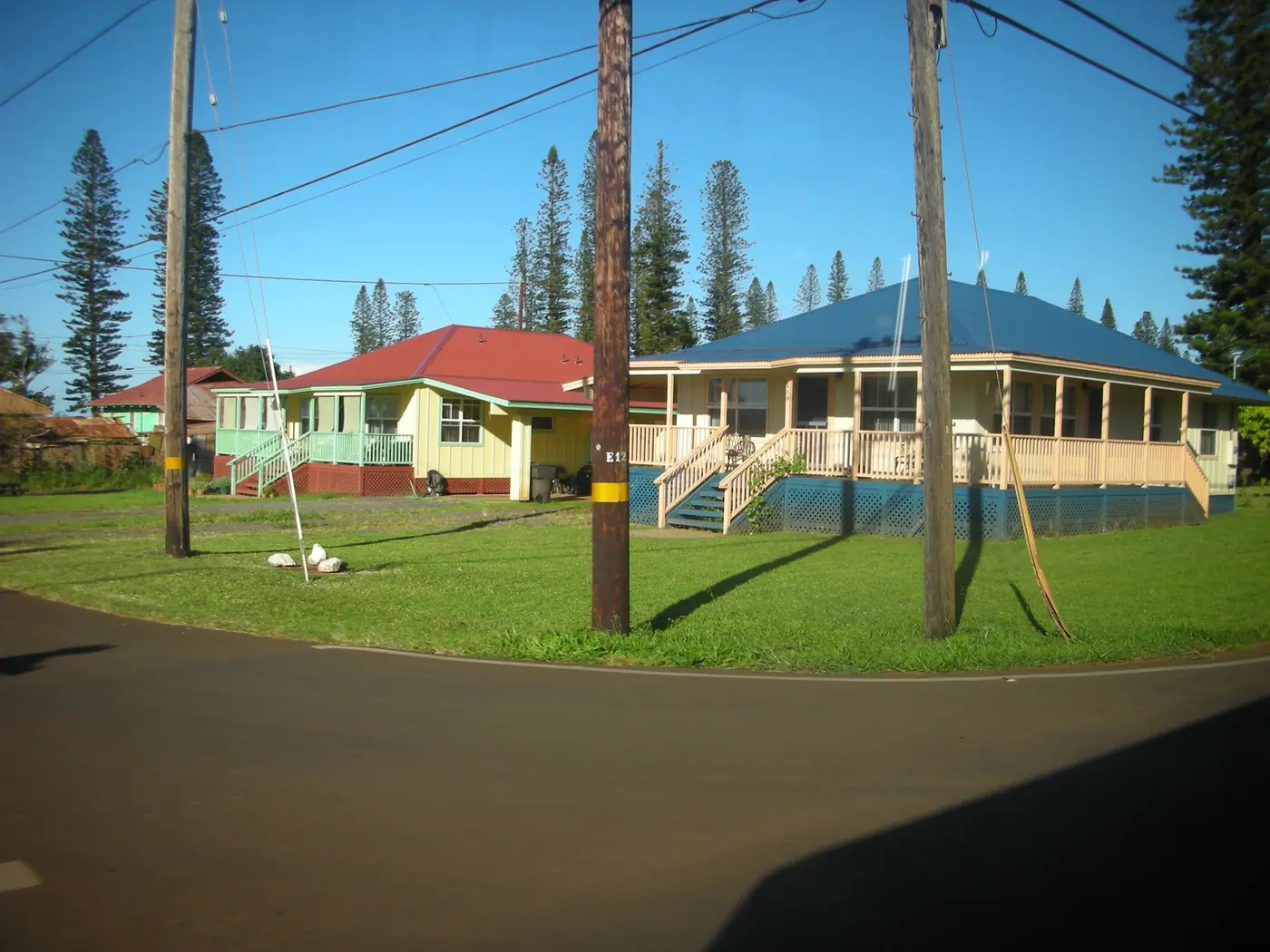
A jalousie needs a sound screen because its louvers never seal: overlapping glass blades leak drafts, driven rain and insects even when cranked shut. That matters on Oahu, where jalousies spread through houses and Waikiki walk-ups in the late 1940s and 1950s, and where the state health department urges residents to repair window screens against mosquitoes. Honolulu's residential energy checklist also exempts jalousies from window solar heat gain limits, so that rule does not count against them. We rescreen and rebuild jalousie screens across Honolulu and the island, inside or outside mount, with new mesh, spline, clips and extruded frames. Clip and lever checks come with every visit.
- ✓ Waikiki walk-ups
- ✓ Kaimuki houses
- ✓ Wahiawa older homes
- ✓ Inside spring mounts
- ✓ Outside turn clips
- ✓ Pivot clip checks
What Hawaii asks of a jalousie screen
| Item | DAGS design criteria for state buildings |
|---|---|
| Frame type | Extruded only; rolled screen frame sections are not to be specified |
| Frame stock | 7/16 inch 6063-T5 aluminum, wall at least 0.062 inch, reinforced mitered corners |
| Tall frames | A spacer bar on any frame 4 feet 6 inches tall or more |
| Drainage | Notches in the frame so trapped water can run out |
| Finish | Anodized throughout; dark bronze only at a heavier coat, since thin dark anodizing fades |
| Mesh and spline | 14x18 fiberglass or anodized aluminum, held with aluminum or vinyl spline |
| Retention | Aluminum clips with stainless screws near each corner and no more than 18 inches apart; the screen must lift out quickly |
How is a jalousie screen repaired or rebuilt?
Jalousie screens are narrow and easy to underestimate. The order below keeps a new screen from arriving that will not seat.
Find the mount
We check which side of the louvers your screen lives on and how it is held, whether by springs and pull tabs inside or turn clips outside.
Check hardware
Louver clips, the operating lever and the frame corners all get a look. A broken pivot clip or a racked frame changes what the job actually is.
Quote on paper
Pricing comes in writing before any work, split into rescreen and rebuild, so you can decide window by window.
Mesh or frame
Sound frames get new cloth with spline rolled in relaxed, never stretched. Bent or corroded ones are rebuilt from frame stock measured in three places.
Inside or outside mount: why it matters
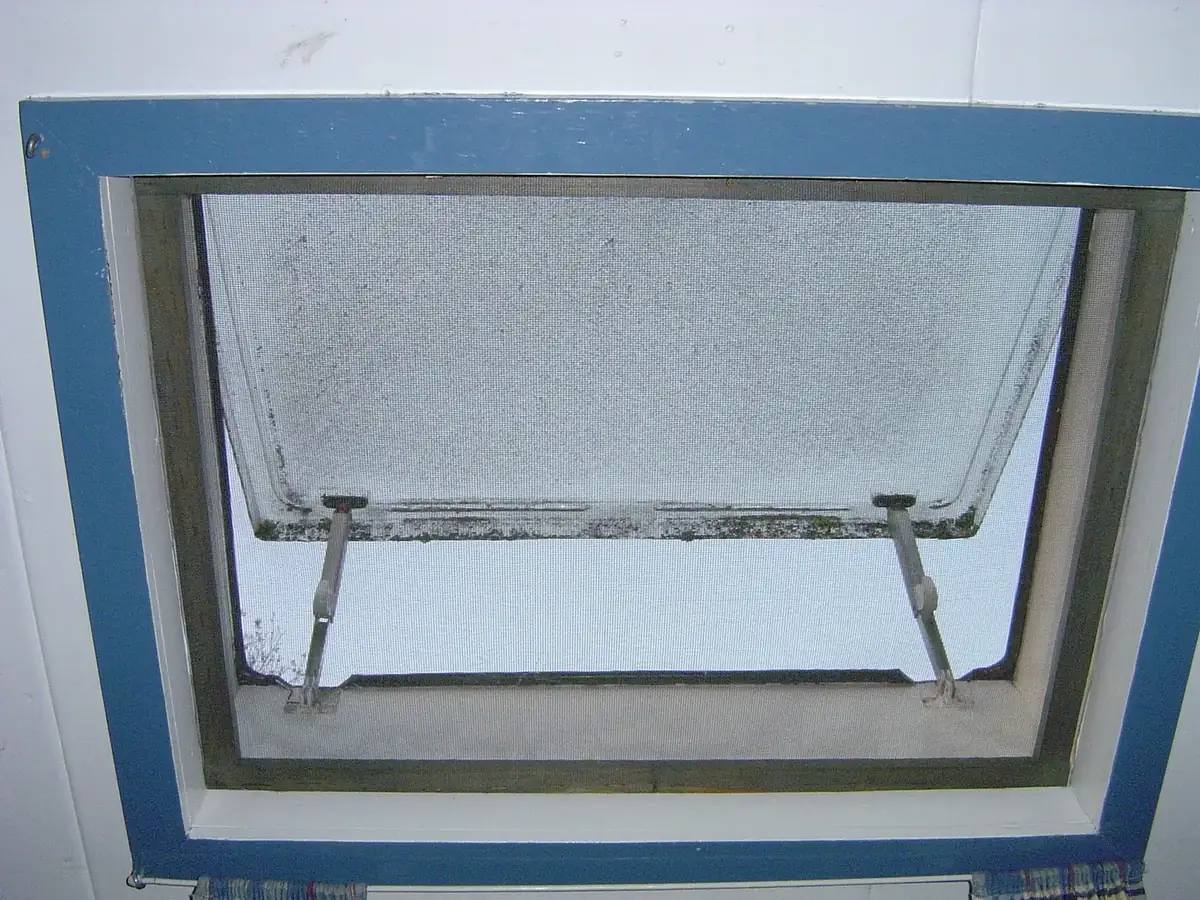
Know which side your screen sits on before ordering anything. A jalousie screen can mount inside the louvers or outside them, and the two are built and held differently. A replacement made for one side will not fit the other.
A Waipahu jalousie maker's instructions describe inside screens held by springs along the top and freed with tabs at the bottom, while outside screens hang on turn clips. The same instructions note that the operating lever works in the opposite direction depending on where the screen is.
So a phone photo taken indoors rarely settles it. We measure the opening, note the hardware and check how the lever travels before cutting a frame. Guess wrong and you get a screen that fights the crank or never seats at all.
Some windows carry a security screen as well. The state's design guide puts security and insect screens on opposite sides so the insect screen can come out for cleaning, a layout worth keeping when parts are replaced.
Jalousie work takes patience on Oahu
These screens look simple. They are light, slim and easy to lift out, which is exactly why they get dropped, bent and lost behind a dresser. In a Honolulu house that runs on open windows and ceiling fans, a tired jalousie screen is often the only thing between the bedroom and the mosquitoes.
Rolled or extruded, explained
We tell you which frame type you have. The state rules out rolled sections on its own buildings, and extruded stock flexes less.
Spline rolled relaxed
Vinyl spline stretched on the way in creeps back to length later and slackens the cloth, so it goes in without pulling.
Cleaning tips included
The Waipahu maker suggests washing aluminum finishes about every three months, more often on a harsh coast, using a soft brush and mild soap.
Honest repair calls
If a louver clip or lever is the real fault, you will hear it from us. A new screen cannot cure a broken pivot clip.
Screens and doors we repair on Oahu
Rescreening, new screens, doors, sliders and lanais, plus solar screens for sun-facing glass. See what screen repair costs.
Window Screen Replacement
New frame and mesh when the old frame is bent, split or eaten by corrosion.
Learn more →
Screen Door Repair
Hinged screen doors rescreened, squared up and fitted with working closers.
Learn more →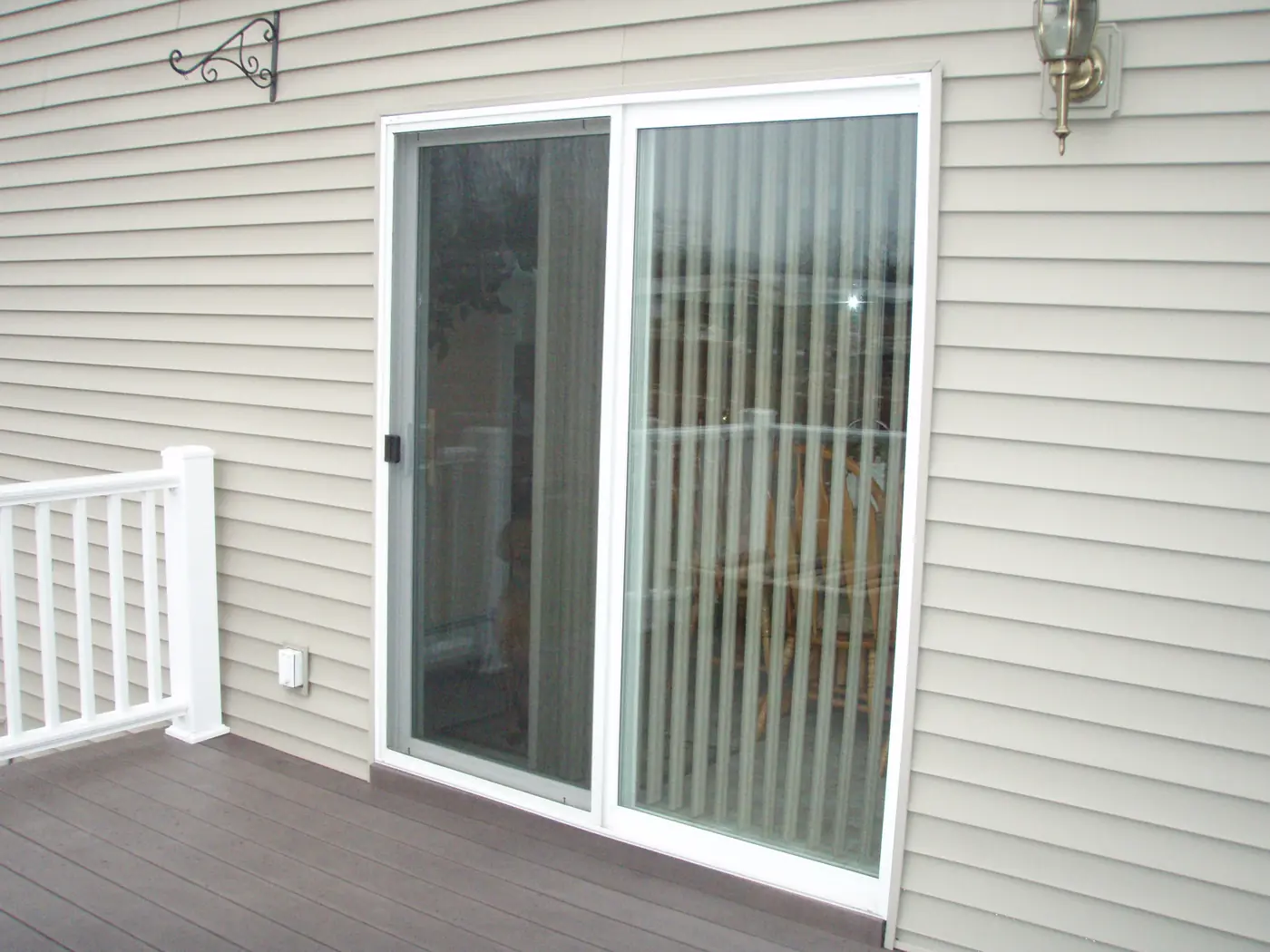
Sliding Screen Doors
Rollers, tracks and panels for patio sliders that scrape or jump the rail.
Learn more →
Lanai Screen Repair
Wide lanai panels rescreened with mesh chosen for salt, sun and view.
Learn more →Jalousie Window Screens
Inside and outside jalousie screens built on heavy extruded frames.
Learn more →
Retractable Screens
Roll-away door screens and wide-opening units, fitted and adjusted.
Learn more →
Security Screen Doors
Steel grille and stainless mesh doors, with grade chosen for the coast.
Learn more →
Pet Screens
Tough vinyl-coated polyester for doors and low windows with pets.
Learn more →Jalousie screen questions, answered
Jalousie screen bent, torn or missing?
Tell us how many jalousies you have and whether the screens sit inside or outside the louvers. Call or use the quote form, and we will set up a measure.