
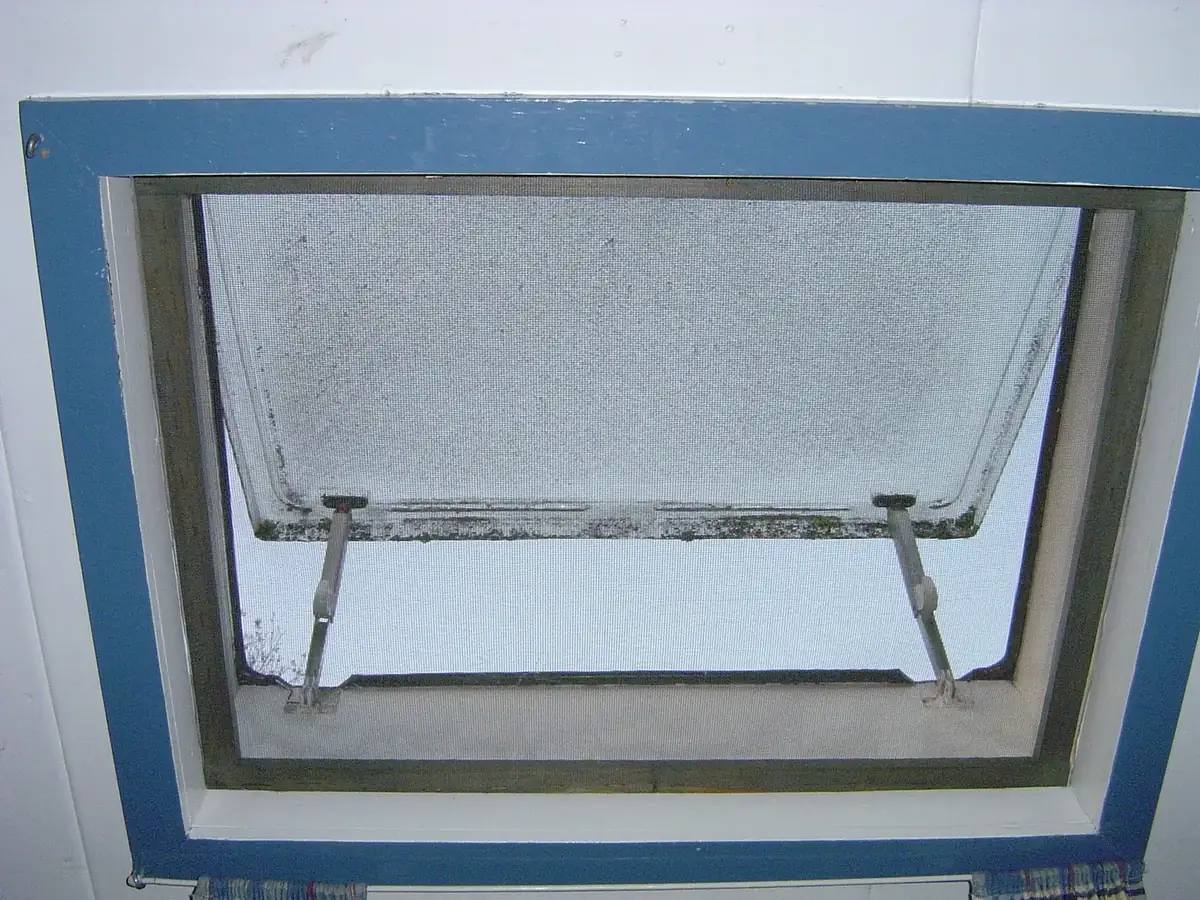
Window Screen Replacement Built to Fit
When a frame is bent, missing or too corroded to grip a spline, we cut and join a new one from frame stock and size it to your actual opening, anywhere on Oahu.
New screens made for Honolulu windows
A replacement screen is not a stock part pulled off a shelf. Windows around Honolulu run from mid-century jalousies to newer sliders, and the openings rarely match a catalog size. So the frame gets cut from stock, joined at the corners and fitted with whatever hardware your window already uses.
Measured three ways
Width and height are each taken at three points across the opening. The smallest reading sets the size, so a slightly out-of-square window still closes.
Corners checked square
Each rail is mitered at 45 degrees and joined with corner inserts. Then the frame is squared and blocked on the bench before any mesh goes in.
Hardware that matches
Spring tabs, pull tabs, clips or hooks go on to suit how that particular window holds its screen, not whatever came in a kit.
Mesh chosen per window
Standard fiberglass for most openings, solar mesh for sun-facing glass, and tougher pet cloth on low windows a dog can reach.
Do you need a new frame or just new mesh?
| Situation | Rescreen (keep the frame) | New screen (frame and mesh) |
|---|---|---|
| Frame is straight and square | The right call. Only mesh and spline change | More than the job needs |
| Frame is bent or missing | Mesh will not lie flat in a twisted frame, and a missing one leaves nothing to rescreen | Fresh rails cut to the opening |
| Spline groove pitted by corrosion | New spline may not grip the channel | Clean new groove all the way around |
| Time per screen | Minutes, once the bench is set up | Longer, since rails are cut and joined first |
| Materials used | Just cloth and spline | Frame stock, corner inserts and hardware as well |
| Chance to change frame stock | Stuck with the original, often light roll-formed | Can move to stiffer extruded rails |

Why do Honolulu screens need new frames, not just mesh?
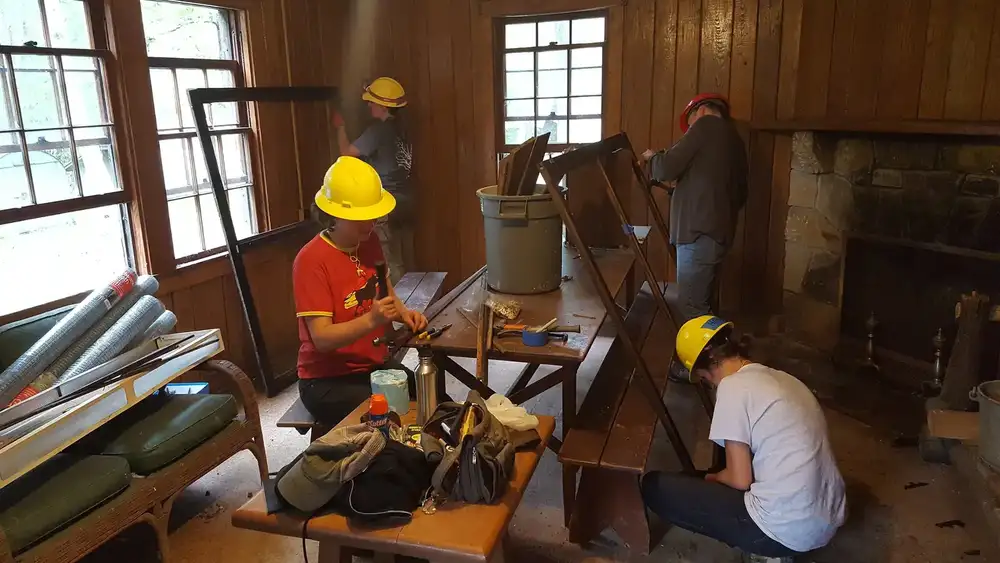
A screen needs a new frame once the frame itself fails, and on Oahu salt air and age are the usual culprits. A University of Hawaii study measured about 78 milligrams of chloride per square meter per day at Kahuku against 9.2 in Manoa Valley, so shoreline homes on the windward and leeward coasts take far more salt. The weak spot is rarely the bare aluminum rail. It is where aluminum touches another metal, such as a steel corner key or a screw. Two in three island homes were built between 1940 and 1989. We measure each opening, cut and join new frames from stock, fit matching hardware and install fresh mesh.
- ✓ Kailua shoreline homes
- ✓ Waianae coast exposure
- ✓ Original Aiea windows
- ✓ Older Ewa Beach stock
- ✓ Wet Manoa valley
- ✓ Kaneohe Bay salt
How is a new screen built?
Four steps take a window from no screen, or a ruined one, to a frame that sits tight in its track and still lifts out when it should.
Measure
We take each opening's width and height at three points, note the window type and its hardware, and keep the old screen as a pattern if one survives.
Choose stock
Small windows can take light roll-formed frame. Big openings and coastal homes call for stiffer extruded rails, plus a center bar on wide screens so they do not bow.
Written price
Before any rail is cut you get the price in writing, covering the frames, the mesh you picked and the hardware. Nothing gets decided on the spot.
Build and fit
Rails are mitered, joined and squared. The mesh is splined smooth with no waves, and every screen is test-fitted in its own window before we leave.
How each window holds its screen
| Window type | How the screen attaches |
|---|---|
| Double-hung | Spring tabs press the frame into the side track, so it stays put yet pops free for cleaning |
| Horizontal slider | The screen lifts up into a top channel, then drops down into the bottom one |
| Casement | Fixed from inside the room with clips or screws, because the sash swings outward |
| Awning | Also fastened from the inside with clips or screws, clear of the outward-tilting sash |
| Older wood windows | Hung on hooks and loops, a different system from any modern track |
| Jalousie | Can sit inside or outside the louvers, held by top springs and pull tabs or by turn clips. See jalousie window screens |
Screens and doors we repair on Oahu
Rescreening, new screens, doors, sliders and lanais, plus solar screens for sun-facing glass. See what screen repair costs.
Window Screen Replacement
New frame and mesh when the old frame is bent, split or eaten by corrosion.
Learn more →
Screen Door Repair
Hinged screen doors rescreened, squared up and fitted with working closers.
Learn more →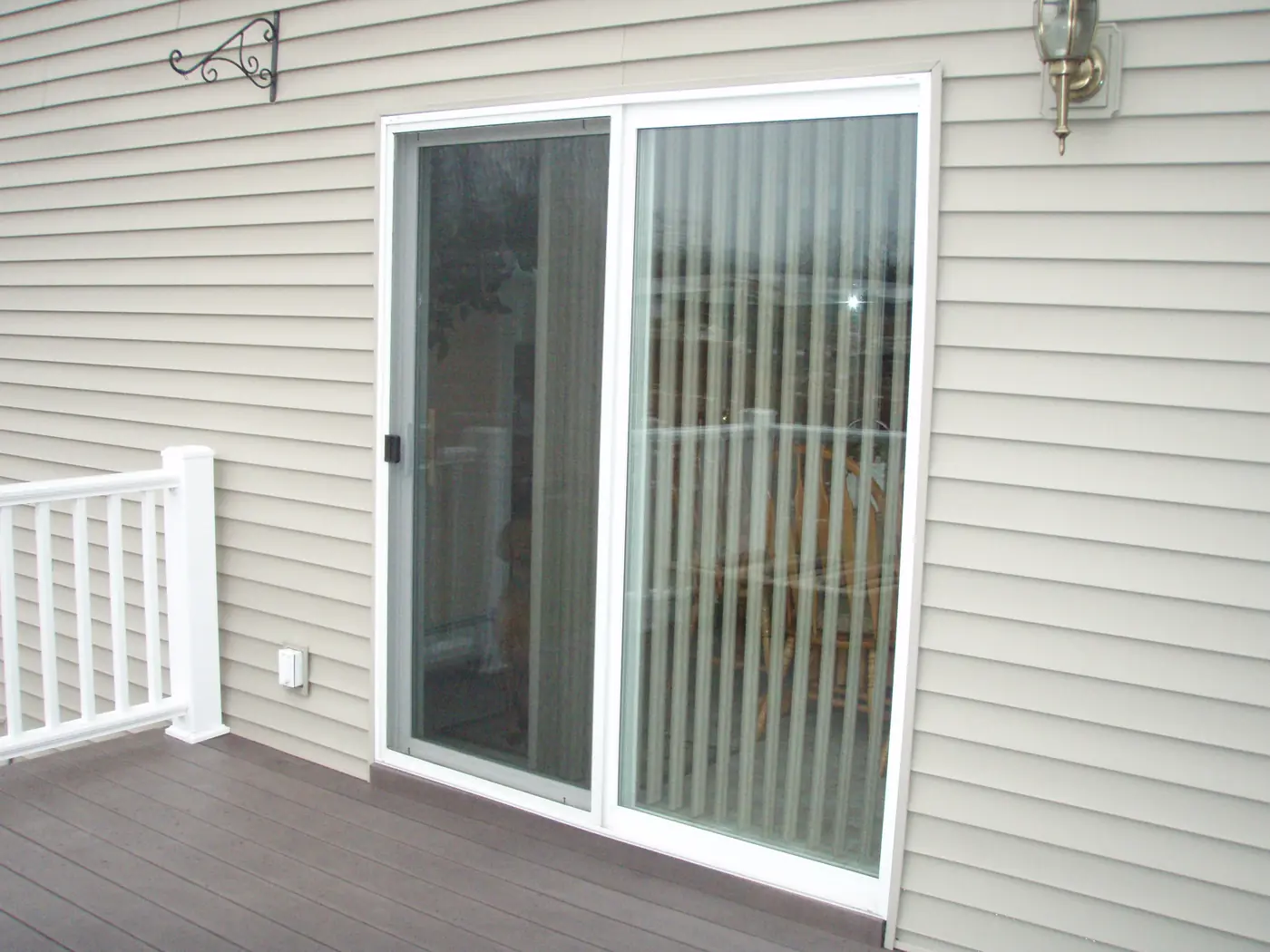
Sliding Screen Doors
Rollers, tracks and panels for patio sliders that scrape or jump the rail.
Learn more →
Lanai Screen Repair
Wide lanai panels rescreened with mesh chosen for salt, sun and view.
Learn more →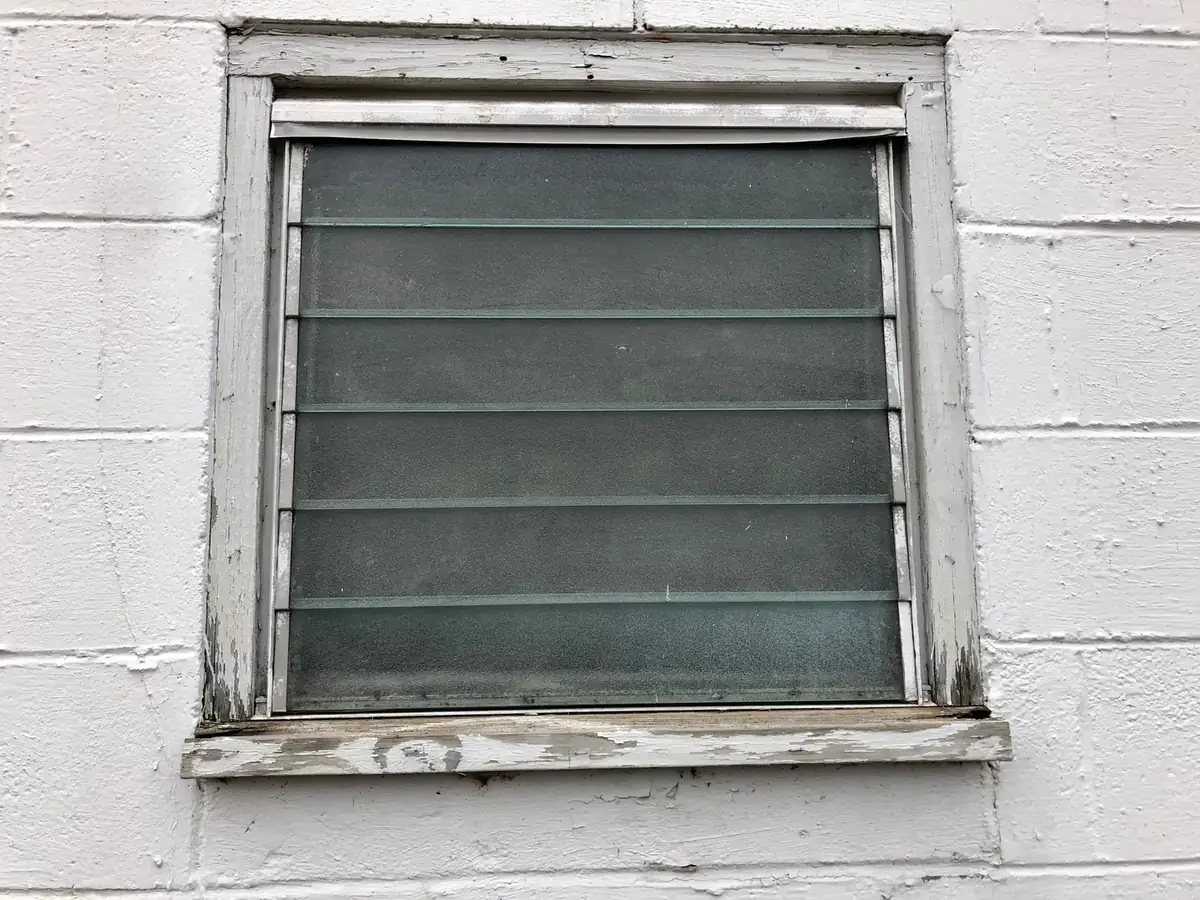
Jalousie Window Screens
Inside and outside jalousie screens built on heavy extruded frames.
Learn more →
Retractable Screens
Roll-away door screens and wide-opening units, fitted and adjusted.
Learn more →
Security Screen Doors
Steel grille and stainless mesh doors, with grade chosen for the coast.
Learn more →
Pet Screens
Tough vinyl-coated polyester for doors and low windows with pets.
Learn more →Replacement questions, answered
Ready for screens that fit?
Call or use the quote form with a rough count of windows and what is wrong with each. We set a time to measure, then send a written price before any frame is cut.