

Lanai Screen Repair in Honolulu
Fresh mesh in the lanai panels you already own, splined flat and tight. For open porches on Kailua cottages, condo lanais in town and the breezy shoreline homes of the rest of Oahu.
Screening a lanai or enclosing it?
Screening keeps the lanai open to the breeze and swaps only the cloth inside panels that already exist. Enclosing turns an open-sided porch into closed floor space. We do the first and explain the second, so nobody books the wrong project.
In Honolulu buildings that already sit at their maximum floor area, a lanai can be enclosed only under a unified design the association or owner has approved. That path runs through a city zoning adjustment with architect-stamped plans. It is a design and permitting job. Not a rescreen.
Condo owners have one more step. Under HRS 514B, a lanai serving a single unit is normally that unit's limited common element, so changing it needs board approval. A change that alters the building's look can also need 67 percent of owners. Read your house rules first.
A brand-new screen enclosure system is a much larger install than new mesh. Those jobs are quoted in writing, with any permit or specialty trade the work calls for arranged where it is required. No one can promise ahead of time how the permit question will land.
Big panels, rescreened on site across Oahu
A lanai panel is a window screen at four times the size, and every small mistake grows with it. Too much tension bows the frame. Too little leaves a belly in the cloth. We rescreen on the lanai itself, from Honolulu condos to windward porches, and tell you plainly when a frame is past saving.
Heavier mesh for wide spans
Panels that run the width of a lanai usually take 18x14 fiberglass. Its strand is a touch heavier than window cloth, so it keeps its shape across the gap.
One edge at a time
Each panel is splined one side at a time with light tension, then checked for folds before the next side goes in. Skipping that check leaves waves.
Clean channels first
Old spline is pulled and thrown away, never reused, and the grooves get scrubbed. Grit left in a channel stops fresh spline seating evenly.
Coastal joints checked
Near the water we look hardest where aluminum meets a steel screw or corner key. That joint, more than the bare rail, is where salt starts trouble.
What happens on a lanai rescreen day?
Four stages, the same whether you have three porch panels or a long condo lanai. Most of the effort goes into preparation, not rolling cloth.
Walk the lanai
Every panel, frame, screw and spline channel gets looked at. We note which panels need new cloth and which only need fresh spline to sit flat again.
Choose the cloth
Standard 18x14 suits open views and airflow. Lower panels with dogs nearby, or a lanai that bakes in the afternoon, may call for pet or solar fabric.
Written price
Before a single strip of spline comes out, you get a written quote for panels, mesh and labor. Work starts only once you have said yes to it.
Roll and trim
Cloth is cut about two inches oversize each way, rolled in edge by edge, then trimmed along the spline with a sharp blade. Two people usually finish a porch inside a day.
Why do lanai screens wear out faster on Oahu's coasts?
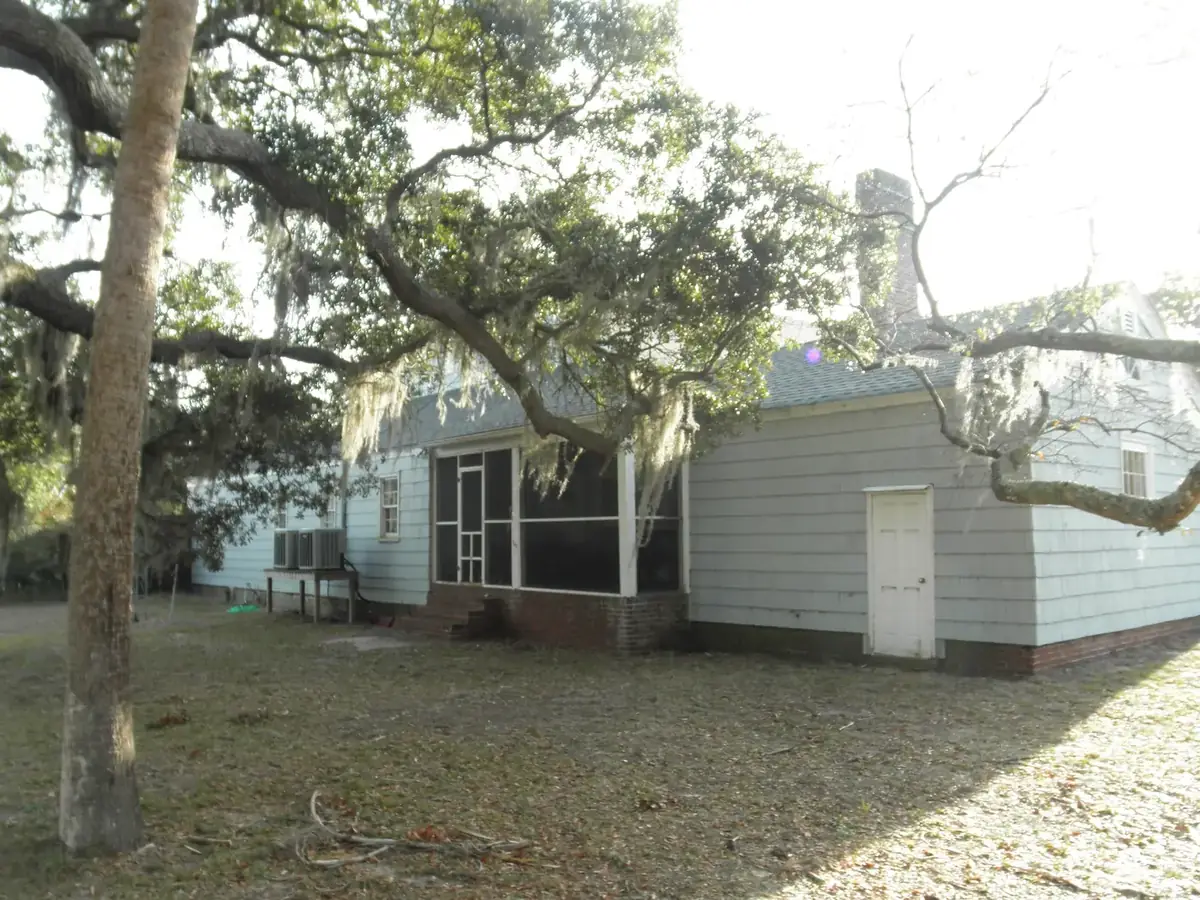
They wear faster because the windward and leeward shores carry the island's heaviest salt load. A University of Hawaii survey of 126 bus shelters measured chloride at 78.0 milligrams per square meter a day near Kahuku, against 9.2 in Manoa Valley, with central Oahu lowest overall. Salt seldom ruins a bare aluminum rail; it attacks the joint where aluminum touches a steel screw or another metal. Sunlight finishes the job, breaking down the vinyl coating on fiberglass until the yarn turns brittle. We rescreen lanai panels in place across Honolulu and greater Oahu, replacing mesh and spline, resetting loose frames and rebuilding the ones too corroded to hold.
- ✓ Kailua and Kaneohe porches
- ✓ Waianae coast lanais
- ✓ Hawaii Kai homes
- ✓ Condo lanais in town
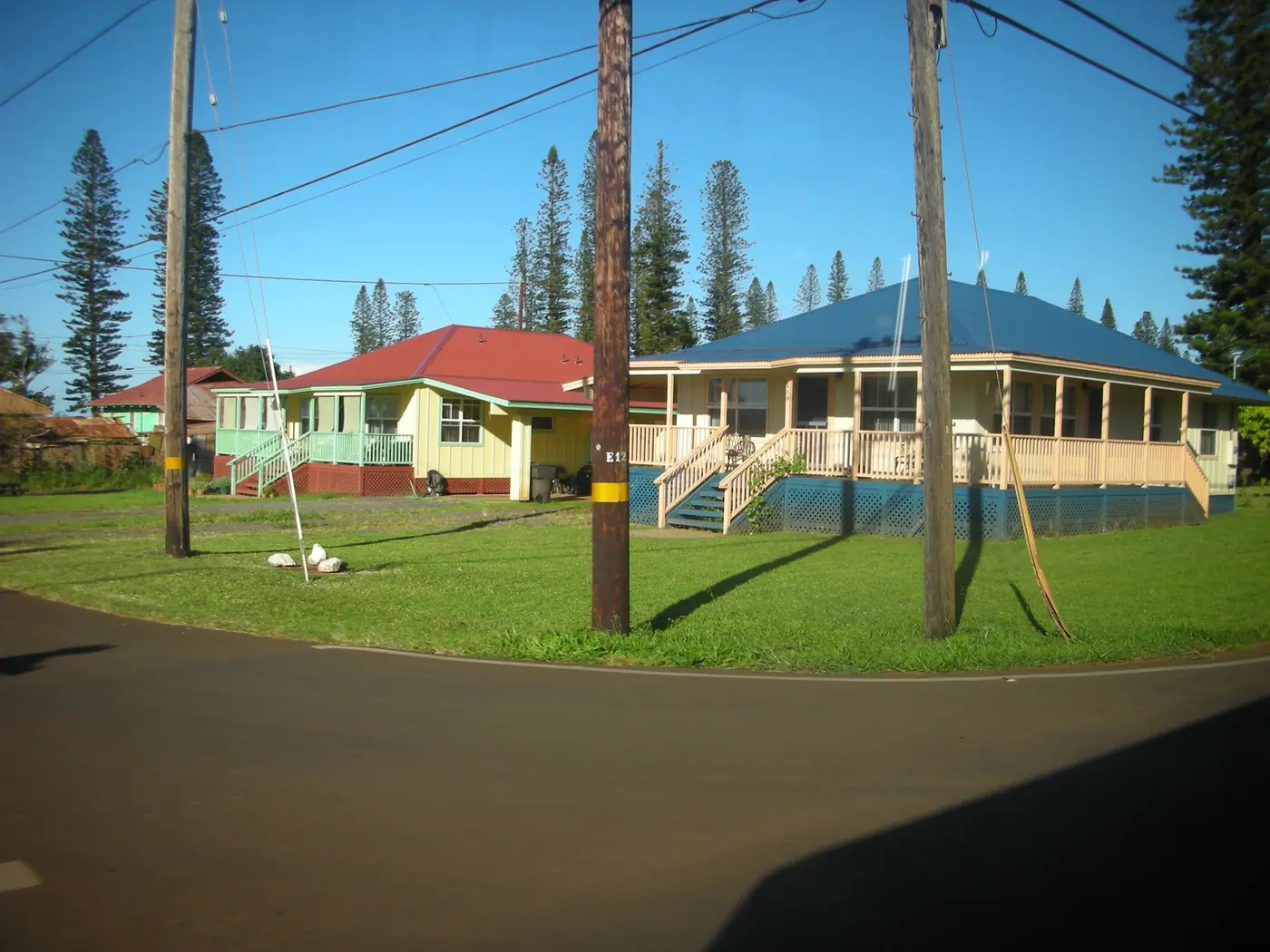
- ✓ Plantation cottage lanais
- ✓ Manoa valley houses
Mesh options for an Oahu lanai
| Mesh | What it is for |
|---|---|
| Fiberglass 18x14 | The usual cloth for wide porch and lanai panels. Slightly heavier strand than window mesh, and forgiving to install. |
| No-see-um 20x20 | Stops very small biting insects, but it is about 45 percent open against 59 percent for standard mesh, so less breeze gets through. |
| Pet-resistant | Vinyl-coated polyester, far thicker than insect cloth, for the low panels a dog leans on. The view is a little duller. |
| Solar 80 or 90 | Stops up to 80 or 90 percent of solar heat on a sun-facing lanai. The denser grade also cuts how much you see out. |
| High-visibility | Fine cloths sold for a clearer outlook; the maker claims more airflow than standard fiberglass. |
| Bronze | Mostly copper with some zinc, rated among the salt-air performers. Weathers from bright copper to dark brown. |
Screens and doors we repair on Oahu
Rescreening, new screens, doors, sliders and lanais, plus solar screens for sun-facing glass. See what screen repair costs.
Window Screen Replacement
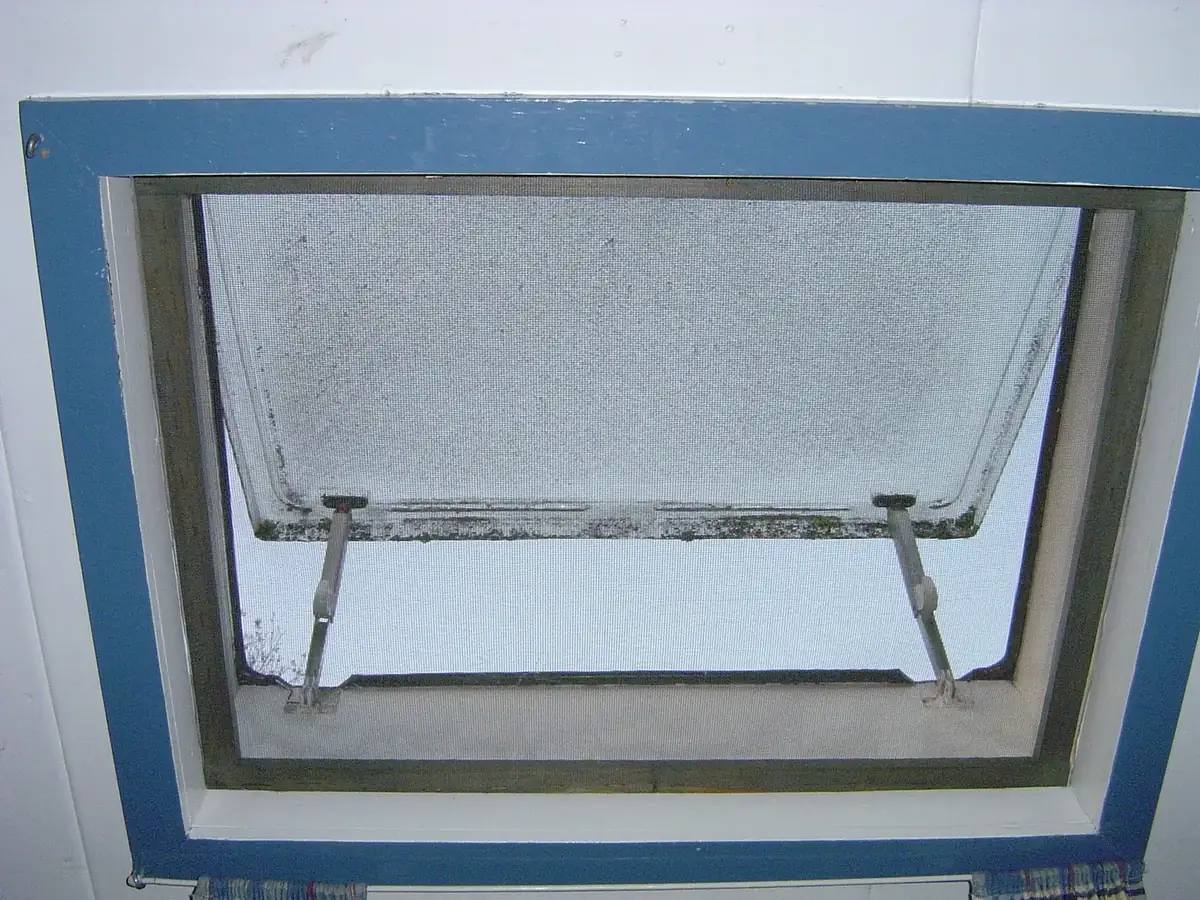
New frame and mesh when the old frame is bent, split or eaten by corrosion.
Learn more →
Screen Door Repair
Hinged screen doors rescreened, squared up and fitted with working closers.
Learn more →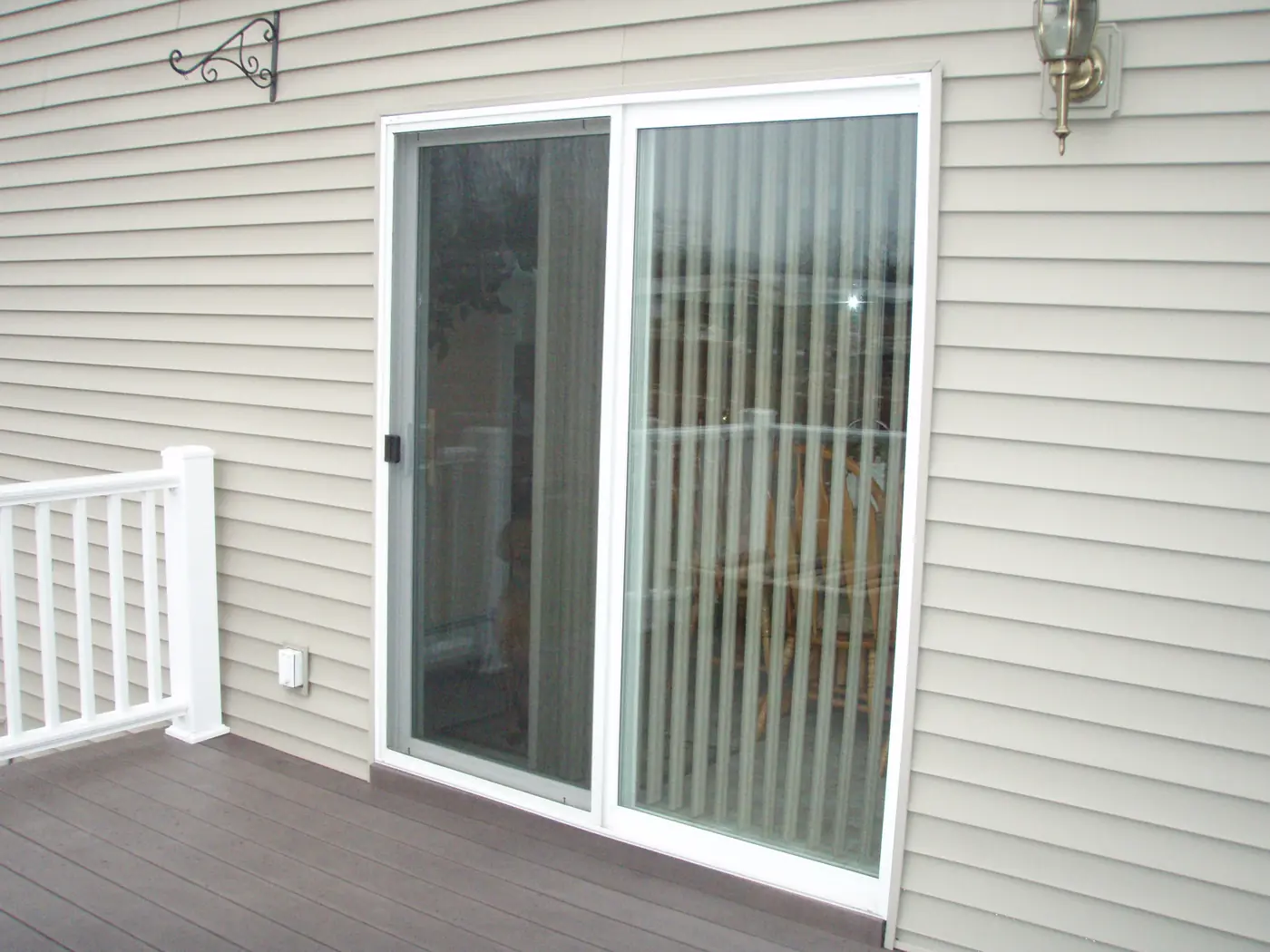
Sliding Screen Doors
Rollers, tracks and panels for patio sliders that scrape or jump the rail.
Learn more →Lanai Screen Repair
Wide lanai panels rescreened with mesh chosen for salt, sun and view.
Learn more →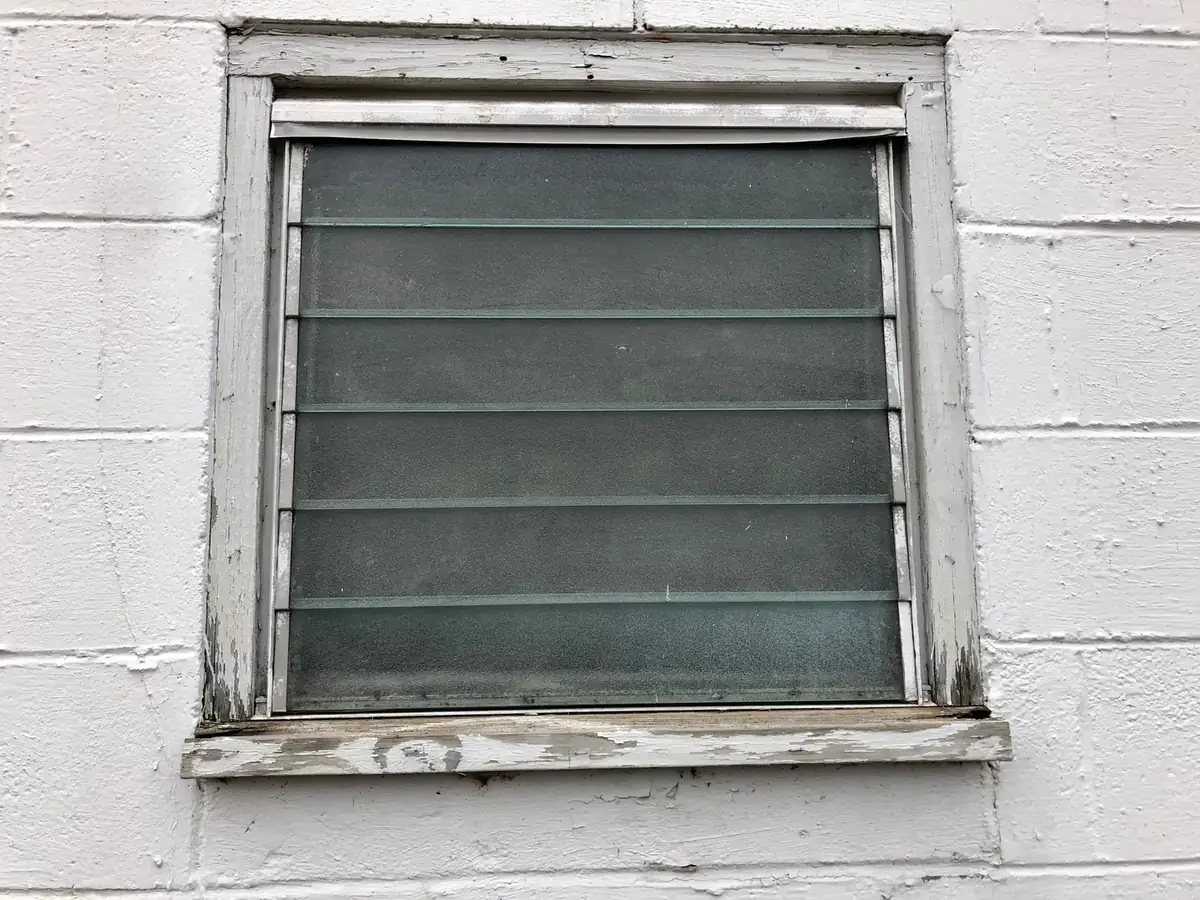
Jalousie Window Screens
Inside and outside jalousie screens built on heavy extruded frames.
Learn more →Retractable Screens
Roll-away door screens and wide-opening units, fitted and adjusted.
Learn more →
Security Screen Doors
Steel grille and stainless mesh doors, with grade chosen for the coast.
Learn more →
Pet Screens
Tough vinyl-coated polyester for doors and low windows with pets.
Learn more →Lanai screen questions from Oahu owners
Lanai panels torn, sagging or faded?
Send a few photos of the panels through the quote form or give us a call, and say whether it is a house or a condo lanai. A written price follows.