
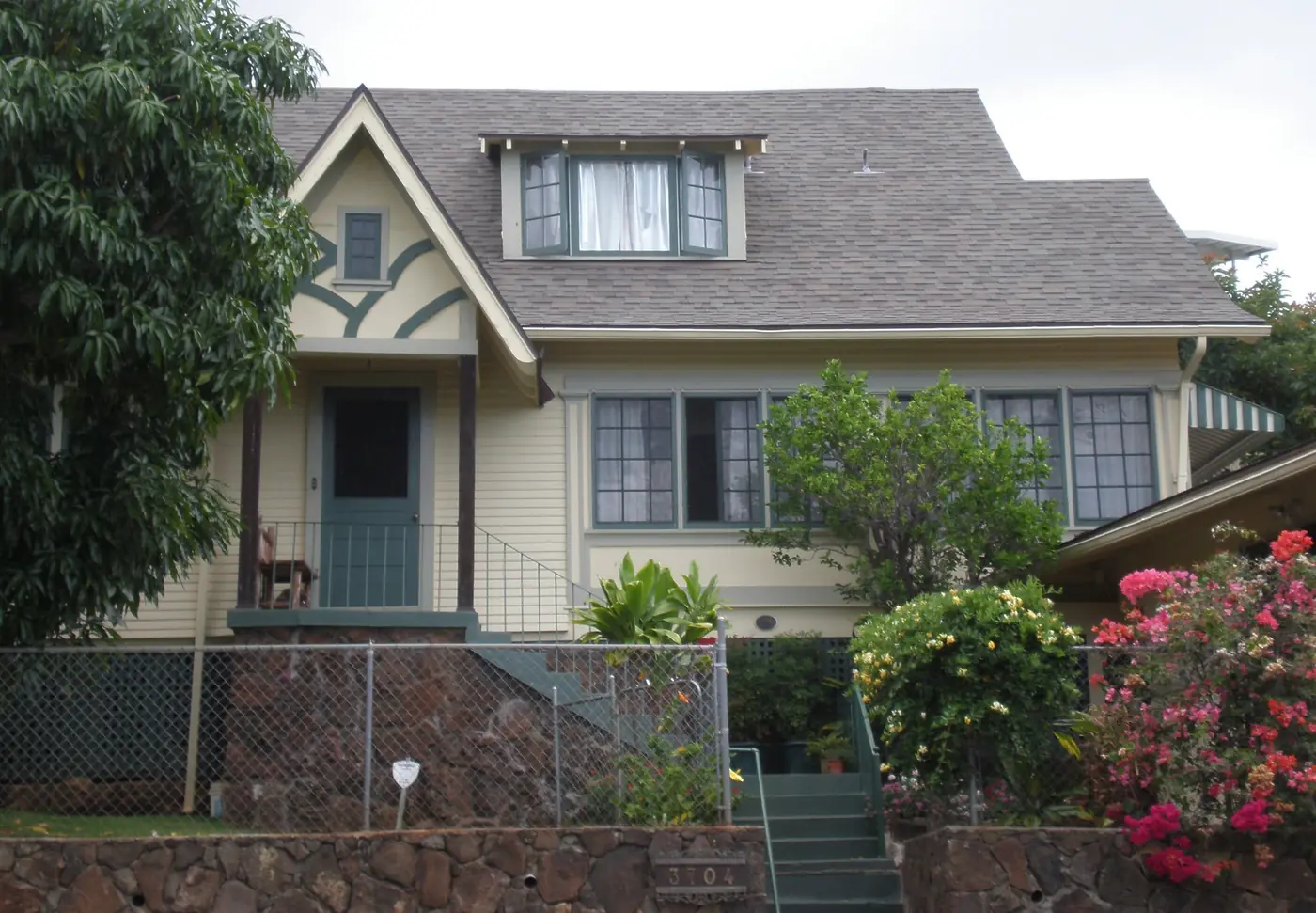
Solar Screens for Sun-Struck Glass
Exterior sun-control mesh that stops most of the sun's heat before it reaches the window, a real help in Honolulu homes cooled by breeze and ceiling fans instead of central air.
Which mesh suits which window?
Four cloths a screen shop commonly carries, side by side. Openness drives breeze and view, and the solar grades trade some of both for shade.
| Mesh | Open area | Blocks solar heat | View out | Suits |
|---|---|---|---|---|
| Standard 18x16 fiberglass | About 59% | Not designed to | Good | Most windows and doors |
| Solar 80 | About 25% | Up to 80% | Reduced, darker colors help | Sunny glass you still look through |
| Solar 90 | About 10% | Up to 90% | Most reduced | Glass where heat matters more than view |
| No-see-um 20x20 | About 45% | Not designed to | Fine weave, less air | Tiny biting insects |
Why do solar screens make sense on Oahu?
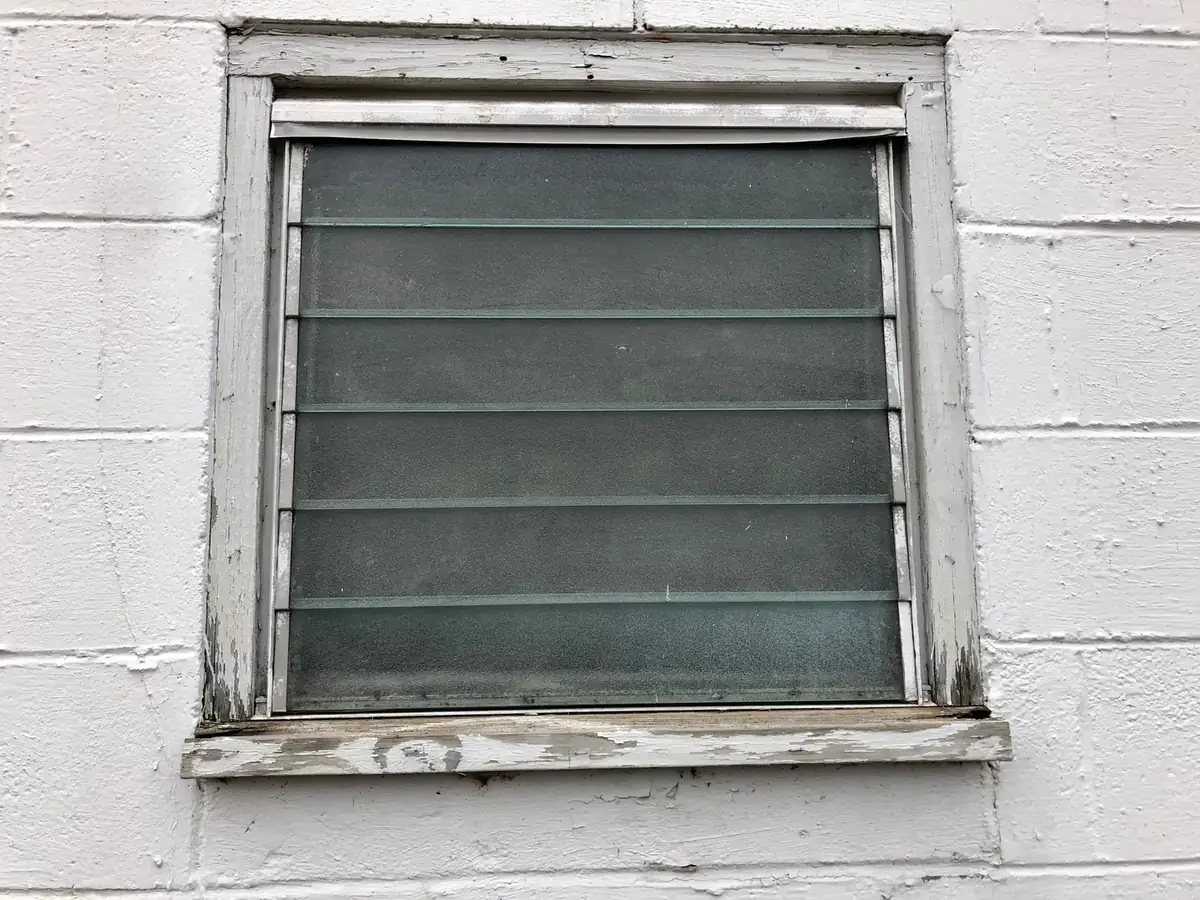
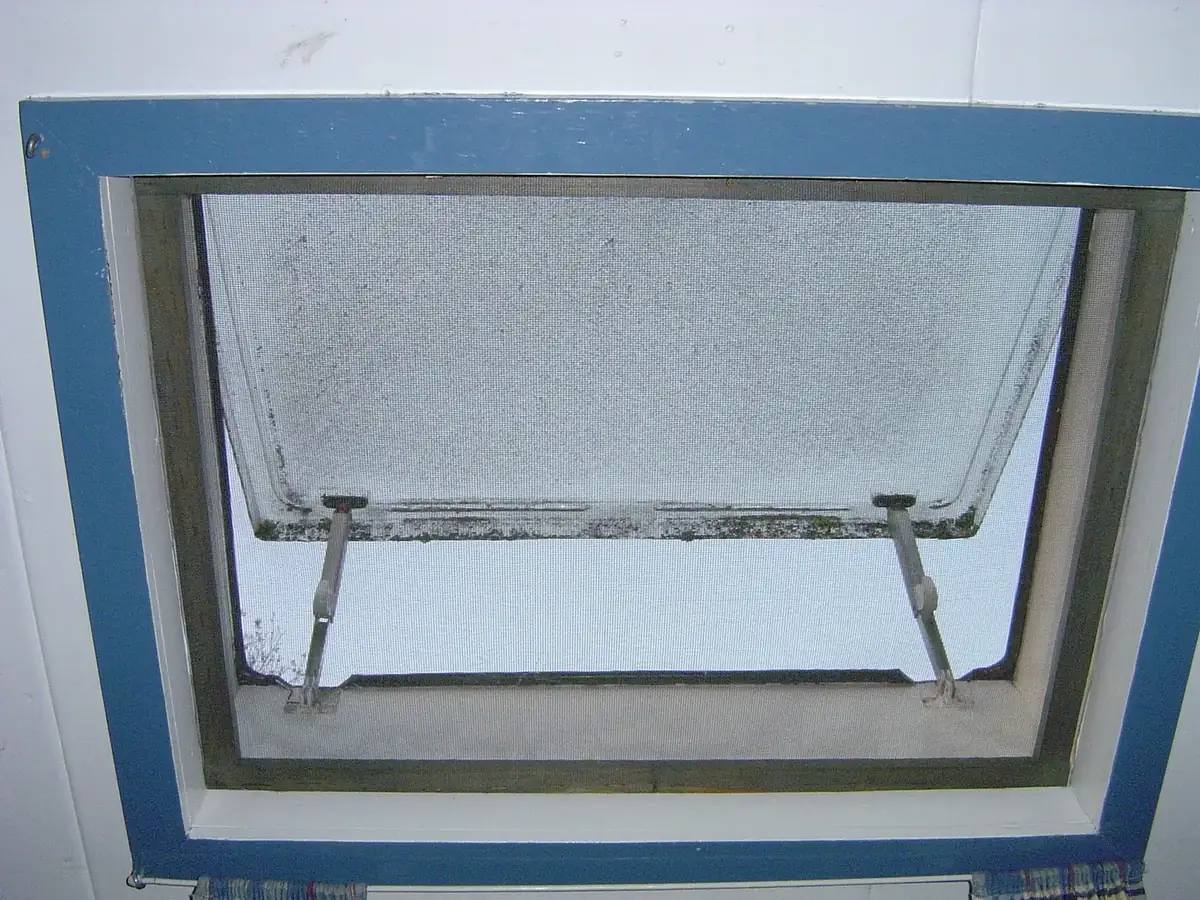
Because so many island homes cool themselves through open windows, and power costs more in Hawaii than in any other state. The EIA's 2020 household survey found only about 12 percent of Hawaii homes used central air conditioning, while roughly four in ten used none at all. In July 2026 the average residential electricity price in Hawaii was 48 cents per kilowatt-hour, the highest in the nation. Exterior solar mesh stops heat before it reaches the glass, which helps a fan-cooled room and eases the work of a window unit. We rescreen and rebuild window, door, lanai and jalousie screens across Oahu, and we carry solar, pet and standard mesh.
- ✓ Up to 90% heat cut
- ✓ Mounted outside glass
- ✓ Dark colors preferred
- ✓ Fan-cooled rooms
- ✓ Sun-facing windows
- ✓ Doubles as pet mesh
Inside or outside: where should it mount?
Outside, nearly every time. Mounted on the exterior, solar screen shows a shading coefficient of about 0.14 to 0.33, and lower means less heat gets through. Hang the same fabric inside and the figure climbs to roughly 0.50 to 0.70, because the heat is already in the room.
Federal research agrees. Building America guidance from the Department of Energy, published through PNNL, ranks exterior attachments ahead of interior ones for that reason. It also cites a 2021 Portland heat-wave study in which shading cut the hours of dangerous indoor heat in a home with no air conditioning.
Climate decides whether shading pays at all. A 2013 Lawrence Berkeley report for the DOE found that in hot climates every window attachment it modeled saved energy. Its heating penalty applies only where winters are cold. Honolulu's warmest and coolest months sit about 6 degrees F apart.
How are solar screens measured and fitted?
Solar work starts with the sun, not the tape measure. Which windows cook, and which ones you look out of, shapes everything after that.
Map the sun
We note which windows take the hardest sun and which you look through most, since that settles the 80 or 90 grade for each.
Measure three times
Each opening is measured across and up in three places, and the smallest figure sets the frame size so the screen seats without forcing.
Quote on paper
Grade, color and count for every window go into a written price. You approve it before any cloth is cut or frame stock is ordered.
Build and mount
Frames are rescreened or rebuilt with solar cloth on a thinner spline sized to its thickness, then hung on the outside of the window.
Straight talk on sun screens for Honolulu
Solar mesh is a trade, and you should hear both sides before buying. It cuts heat and glare. It also dims the room and narrows the view, more so in the 90 grade. We weigh that window by window.
Grade per window
A shaded kitchen window and a bedroom facing full afternoon sun rarely need the same cloth, so we mix 80 and 90 grades.
Exterior by default
We hang solar screens outside the glass wherever the window allows, since that is where the shading numbers favor them.
Pet-tough as a bonus
Solar cloth is heavy vinyl-coated polyester, sturdy enough to stand in for pet-resistant mesh on a low, sunny window.
No savings promises
Research shows shading saves energy in hot climates. What it does to your own bill depends on the house, so we quote no figure.
Screens and doors we repair on Oahu
Rescreening, new screens, doors, sliders and lanais, plus solar screens for sun-facing glass. See what screen repair costs.
Window Screen Replacement
New frame and mesh when the old frame is bent, split or eaten by corrosion.
Learn more →
Screen Door Repair
Hinged screen doors rescreened, squared up and fitted with working closers.
Learn more →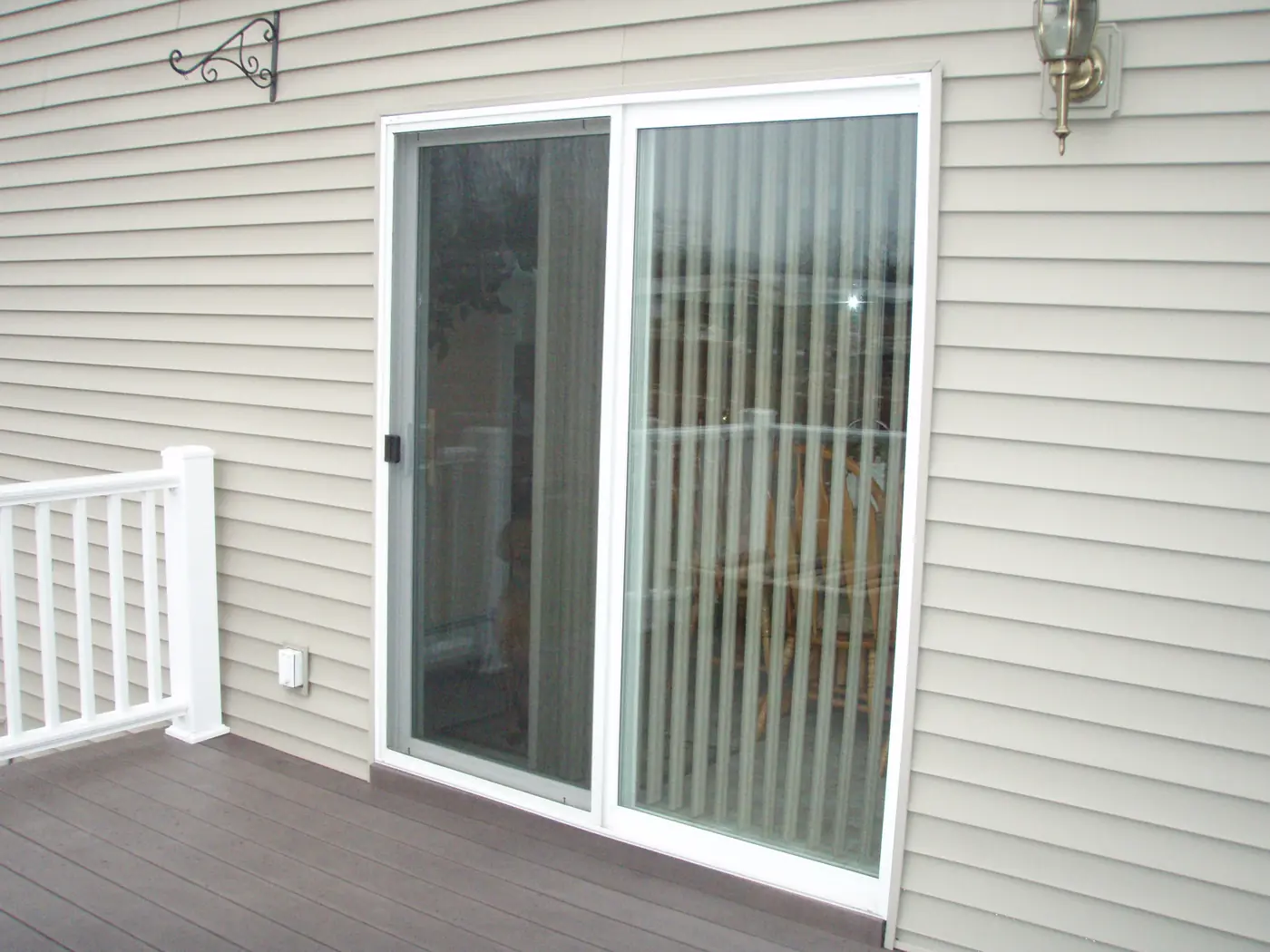
Sliding Screen Doors
Rollers, tracks and panels for patio sliders that scrape or jump the rail.
Learn more →
Lanai Screen Repair
Wide lanai panels rescreened with mesh chosen for salt, sun and view.
Learn more →Jalousie Window Screens
Inside and outside jalousie screens built on heavy extruded frames.
Learn more →
Retractable Screens
Roll-away door screens and wide-opening units, fitted and adjusted.
Learn more →
Security Screen Doors
Steel grille and stainless mesh doors, with grade chosen for the coast.
Learn more →
Pet Screens
Tough vinyl-coated polyester for doors and low windows with pets.
Learn more →Solar screen answers for island homes
Rooms too hot by afternoon?
Tell us which windows bake and which ones you love looking out of. We will suggest a grade for each and send a written price before anything is made.